Engine oil does not stop aging just because a vehicle is parked. Heat cycles, moisture, fuel contamination, and chemical breakdown can affect the oil even when the odometer barely changes. A car that sits for months may still need an oil change based on time rather than mileage.
How quickly the oil changes depends on storage conditions, trip length, engine condition, and how often the vehicle is started. Understanding what happens inside a parked engine can help you avoid corrosion, deposits, and lubrication problems when the car returns to regular use.
Moisture Can Collect Inside The Engine
Air inside the engine contains moisture. As temperatures rise and fall, condensation can form on internal metal surfaces and mix with the oil. Vehicles stored outdoors or in humid areas may experience more temperature variation than cars kept in a climate-controlled garage.
A long drive normally heats the oil enough to help evaporate some moisture. A parked vehicle does not receive that benefit. Starting the engine briefly without driving may make the problem worse because combustion creates additional water vapor, yet the oil may never become hot enough to remove it.
Short Start-Ups Can Contaminate The Oil
Some owners start a stored vehicle every few weeks and let it idle for several minutes. While this may seem helpful, short idle periods can introduce fuel and moisture into the oil without fully warming the engine.
During a cold start, the engine computer supplies additional fuel. A small amount may pass the piston rings and enter the crankcase. If the vehicle is shut off before reaching full operating temperature, that fuel remains mixed with the oil and can reduce its protective qualities.
When a stored vehicle is started, it is generally better to drive it long enough for the engine and oil to reach normal temperature, provided the vehicle is safe and properly registered. Repeated brief starts offer less benefit than many drivers expect.
Oil Additives Change With Time
Engine oil contains additives that help control deposits, corrosion, oxidation, and wear. These additives are exposed to oxygen, moisture, acids, and contamination once the oil is inside the engine.
Oil does not usually become unusable overnight, but time gradually affects its chemistry. Older oil may provide less corrosion protection and may not control contaminants as effectively. Previous driving also influences how useful life remains. Oil installed shortly before storage will generally be in better condition than oil that had already accumulated thousands of miles.
Temperature And Storage Conditions Make A Difference
A vehicle stored in a dry garage faces different conditions from one parked outside near the coast. Heat, humidity, freezing temperatures, and repeated weather changes can all influence condensation and oil oxidation.
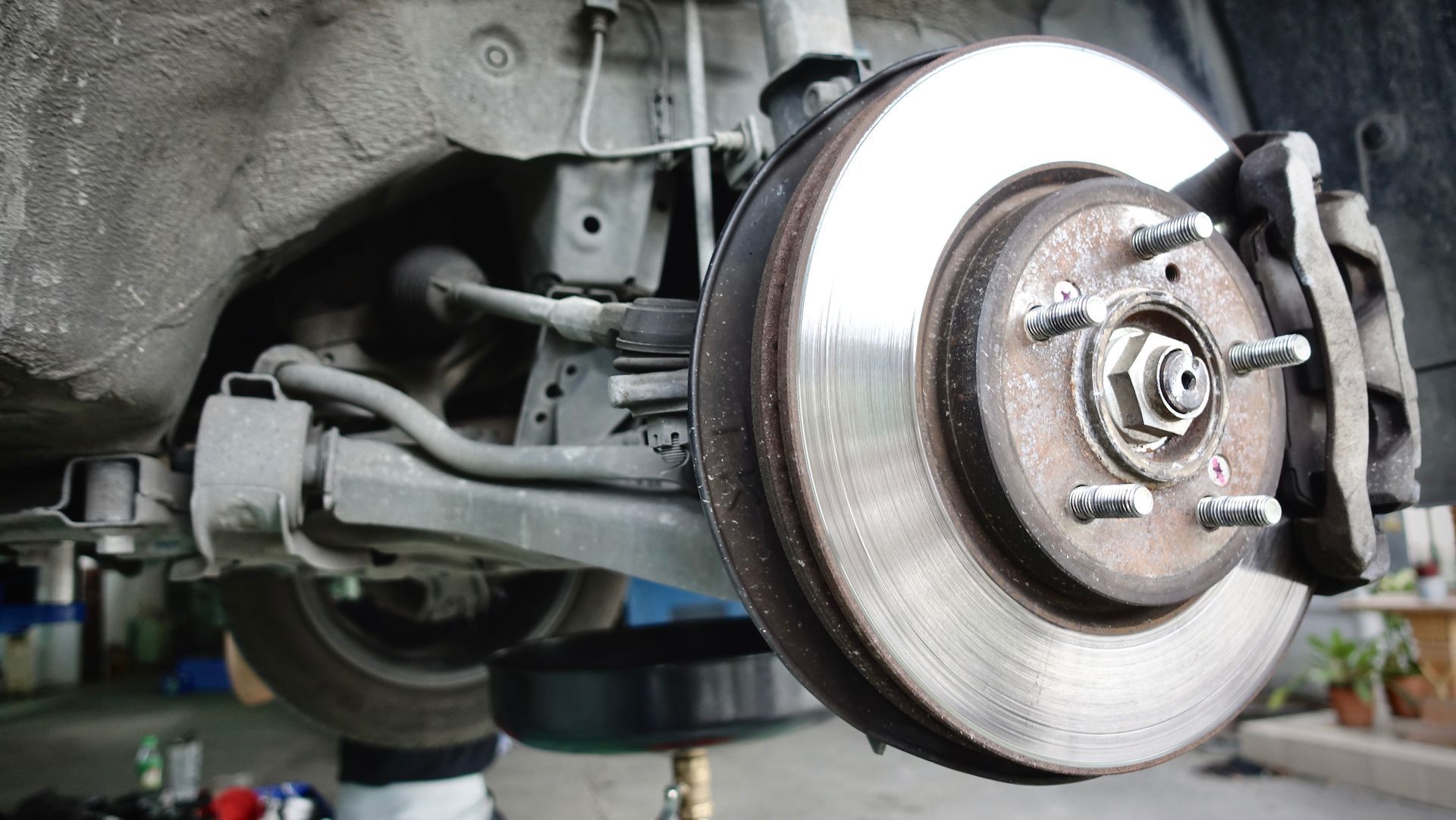
Storage length also affects other parts of the vehicle. Tires can lose pressure, batteries can discharge, brake rotors may rust, and seals may begin leaking after long periods without use. An inspection before returning the car to daily driving can reveal concerns unrelated to the oil that developed during storage.
- Factors that may shorten oil life include:
- Humid or coastal storage conditions
- Repeated brief engine starts
- Oil that was already used before storage
- Fuel dilution from starting problems
- Internal coolant leakage
- Large seasonal temperature changes
- Storage lasting many months or years
The oil’s appearance alone may not provide a complete answer. Dark oil is not automatically worn out, and clean-looking oil may still contain moisture or fuel.
Should Oil Be Changed Before Or After Storage?
For long-term storage, changing the oil beforehand can remove acids, fuel, moisture, and combustion residue that would otherwise remain against internal engine parts. Fresh oil also provides a stronger additive package while the vehicle sits.
Another change may be appropriate when the vehicle returns to service, especially after extended storage or repeated short starts. The correct decision depends on how long the car sat, whether it was driven during that time, and how old the oil was when storage began.
For shorter storage periods, such as several weeks, an additional oil change may not be necessary if the current oil is fresh and the vehicle is still within its time-based interval. Service records can help determine whether the oil is truly recent or simply has low mileage.
Mileage Is Not The Only Oil Change Limit
Manufacturers often list both a mileage interval and a time interval. The service is due when either limit is reached first. A vehicle driven only 1,500 miles in a year may still need its oil changed because moisture, fuel, and additive aging are not reflected by the odometer.
Regular maintenance should follow the requirements for the exact engine and oil specification. Some vehicles allow longer intervals, while others require annual service or more frequent changes under short-trip and severe-use conditions.
Dashboard oil-life reminders may estimate service needs based on driving conditions, but they do not test the oil or measure its level. They may also be less useful when the vehicle has been parked for an extended period.
What To Check Before Driving A Stored Vehicle
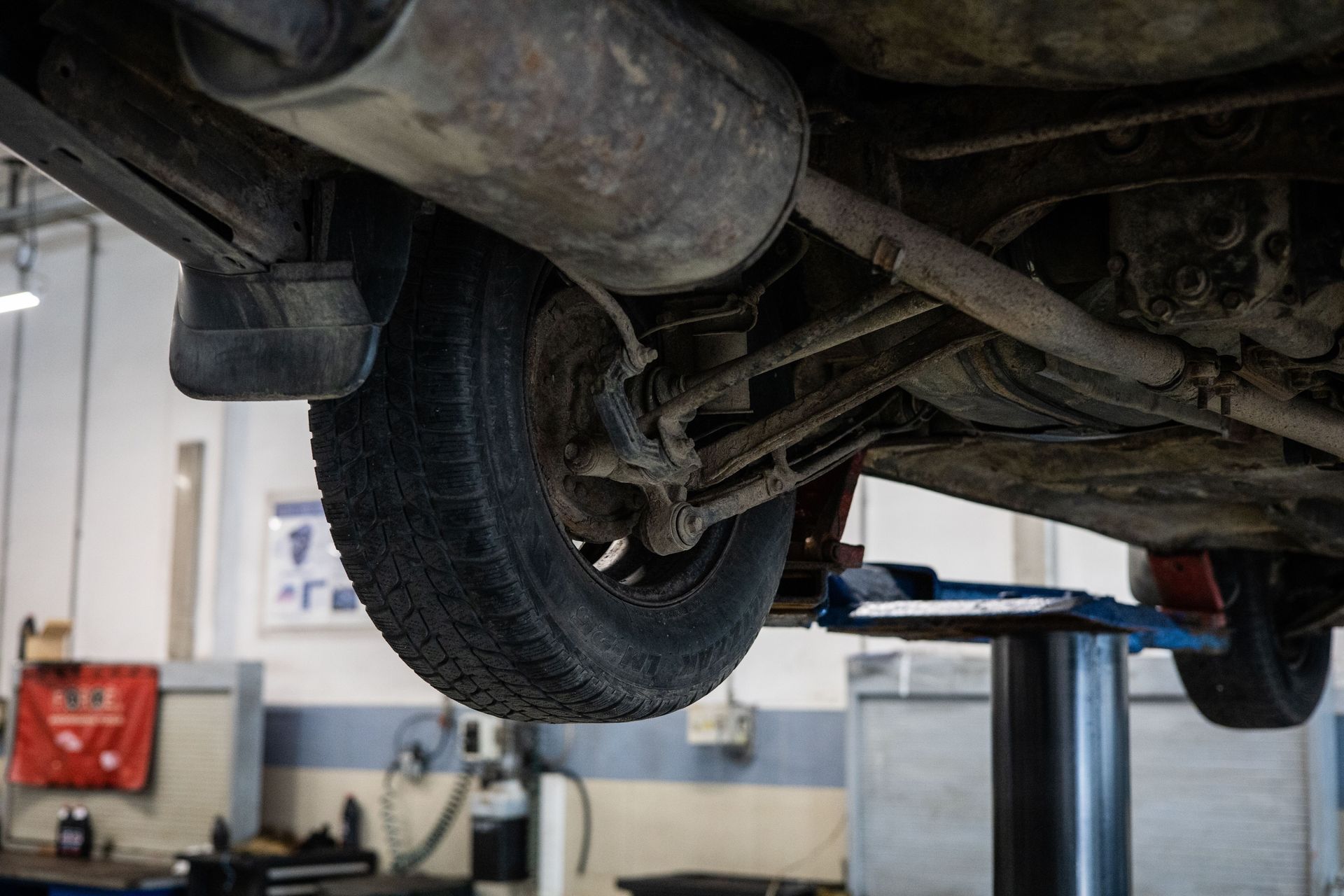
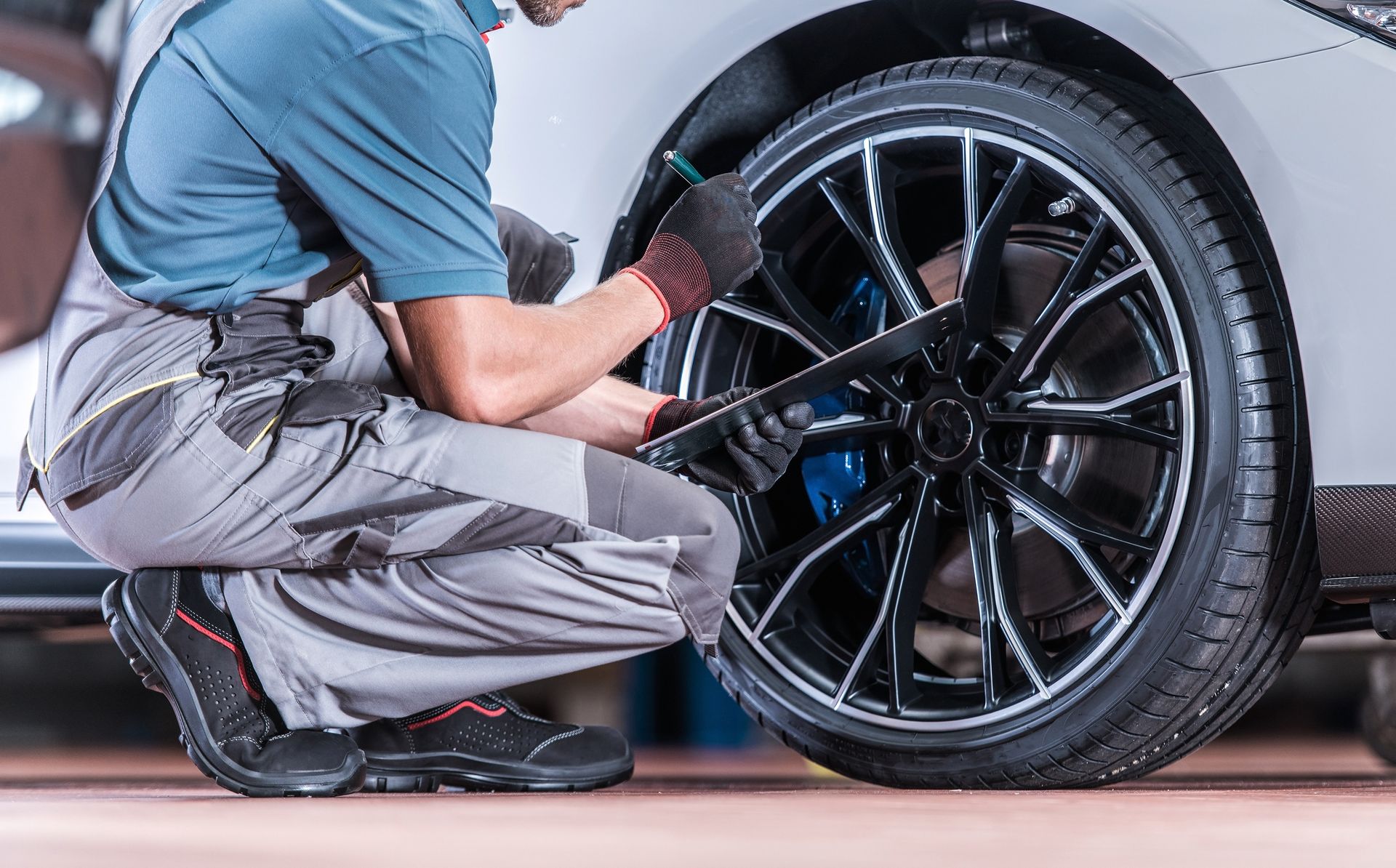
Before starting a car that has been sitting, check the engine oil level and look beneath the vehicle for fresh leaks. Inspect coolant, tire pressure, battery condition, brake response, and signs of rodent damage around wiring or air filters.
The oil should receive prompt attention if it smells strongly of gasoline, appears milky, contains visible debris, or is far beyond its time interval. A milky appearance may indicate moisture from repeated short operation or an internal coolant problem. Testing and inspection can help identify the cause before the engine is driven farther.
Get Oil Change Service In Merritt Island, FL, With Jimmie Vickers Tire & Auto Repair
Jimmie Vickers Tire & Auto Repair in Merritt Island, FL, can check the oil level and condition, replace the oil and filter, and examine a stored vehicle for leaks or other developing concerns.
Contact us to schedule service before returning a vehicle to regular driving after an extended period of storage.