Suspension noise can be hard to judge from the driver’s seat. A small rattle over bumps may seem harmless. A clunk when turning may feel more concerning. Sometimes the vehicle still drives well enough, so the noise gets ignored until it becomes louder.
The suspension does more than make the ride comfortable. It helps keep the tires planted, supports steering control, affects braking stability, and protects tire life. When it starts making noise, the sound can be an early clue that a part is worn, loose, bent, or no longer moving the way it should.
Clunking Over Bumps Usually Means Movement
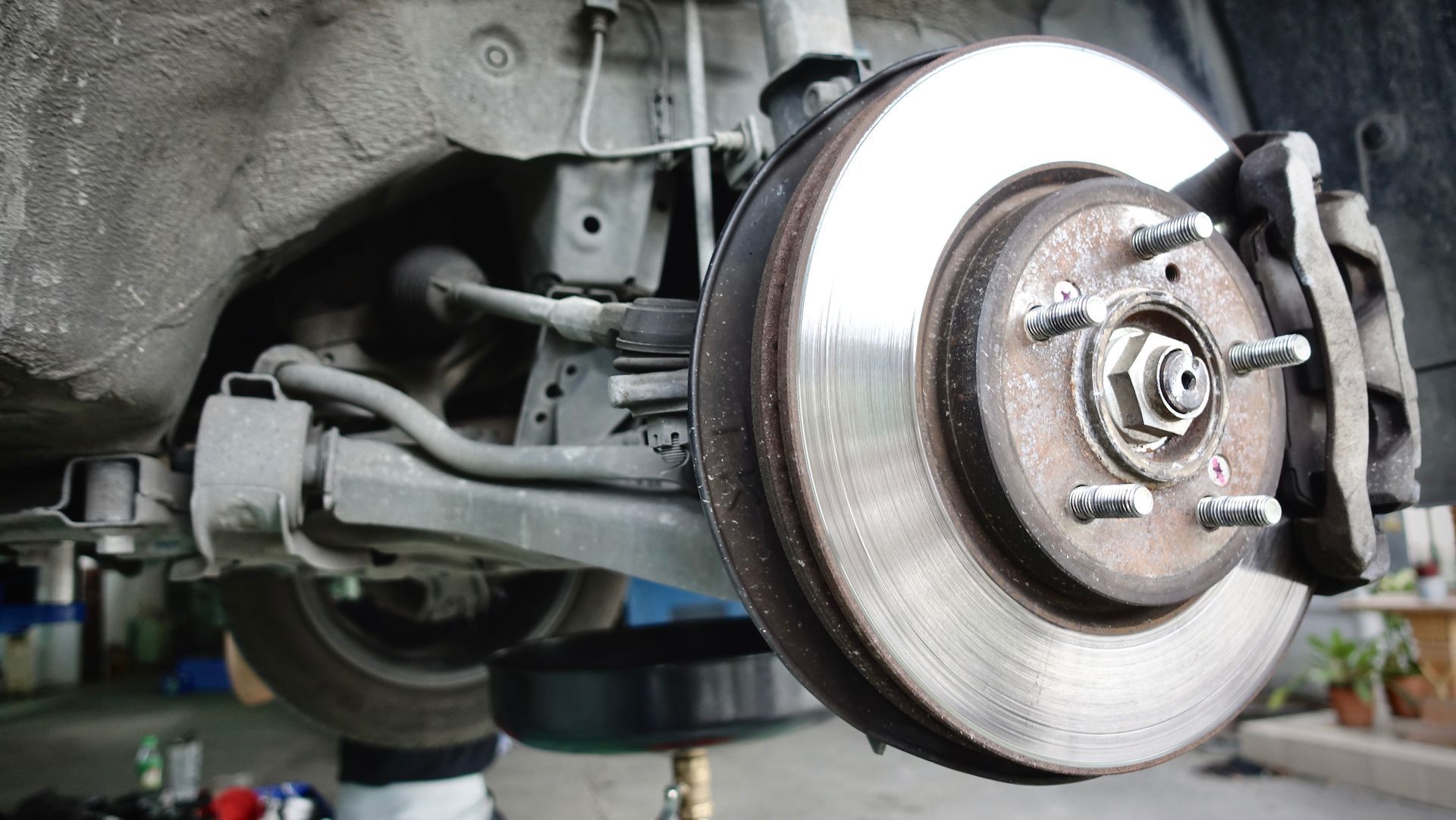
A clunk over bumps often means something in the suspension is moving too much. Control arm bushings, sway bar links, ball joints, strut mounts, shocks, and loose hardware can all create a knocking sound when the vehicle hits uneven pavement.
The sound may be worse at low speeds because you hear each suspension movement more clearly. It may also show up when pulling into driveways, crossing speed bumps, or driving over rough roads. A clunk does not always mean a part is about to fall off, but it does mean something needs to be checked.
If the noise gets louder or starts happening more often, waiting can allow the worn part to damage nearby components.
Rattling Can Come From Smaller Suspension Parts
A rattle may sound less serious than a deep clunk, but it still deserves attention. Sway bar links, bushings, strut hardware, loose shields, brake hardware, or worn mounts can all make light rattling sounds over small bumps.
Rattles can be annoying because they come and go. They may happen only on rough pavement, only when the vehicle is cold, or only at certain speeds. That can make the noise easy to dismiss.
Still, a part that rattles is usually moving more than it should. Over time, that movement can lead to uneven tire wear, increased noise, or poor handling. A proper inspection helps separate suspension noise from brake, exhaust, or underbody noise.
Squeaking Often Points To Bushings Or Joints
Squeaking can come from rubber bushings, ball joints, control arms, shocks, struts, or other moving suspension points. Rubber parts can dry out, crack, or lose flexibility with age and heat. Metal joints can also squeak when lubrication is lost or wear begins.
You may hear squeaking when turning, going over dips, braking, or entering a driveway. The sound may be worse during dry weather or after the vehicle has been sitting. Squeaks can seem minor, but they can point toward parts that are no longer cushioning movement correctly.
If squeaking is accompanied by looseness, pulling, uneven tire wear, or steering changes, it should be checked sooner.
Popping While Turning Needs Attention
A popping or snapping sound while turning can be caused by suspension or steering parts. Ball joints, tie rods, strut mounts, control arm bushings, CV axles on front-wheel-drive vehicles, and worn mounts can all create noise when the wheels turn or the vehicle’s weight shifts.
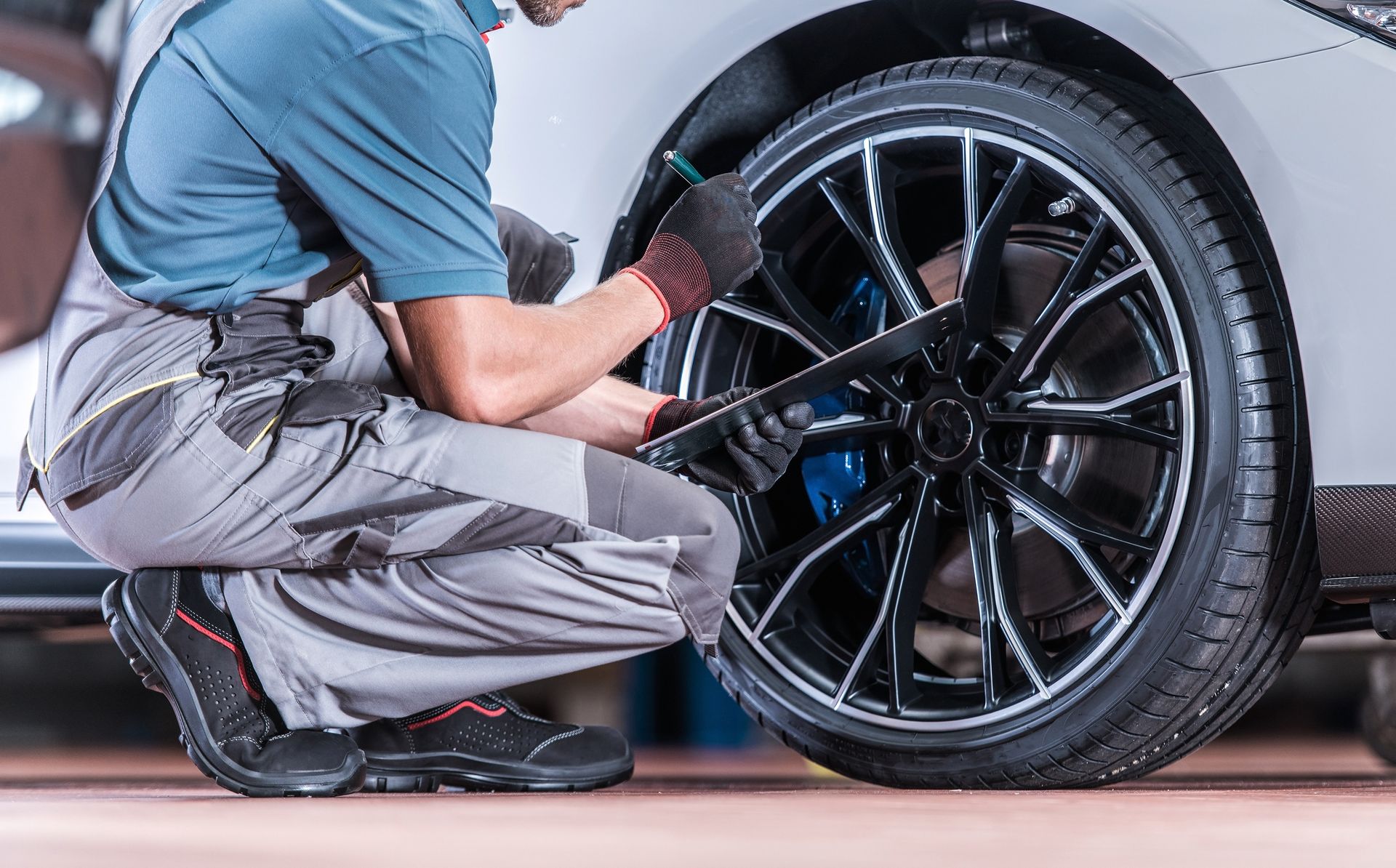
The location of the sound matters. A pop from the front while turning into a parking space may point toward a different issue than a clunk from the rear over bumps. The technician will usually listen during a road test, then check the parts under load.
Turning noises should not be ignored, as they can affect steering control if the wrong part is worn excessively.
Noise After A Pothole Hit Is A Warning
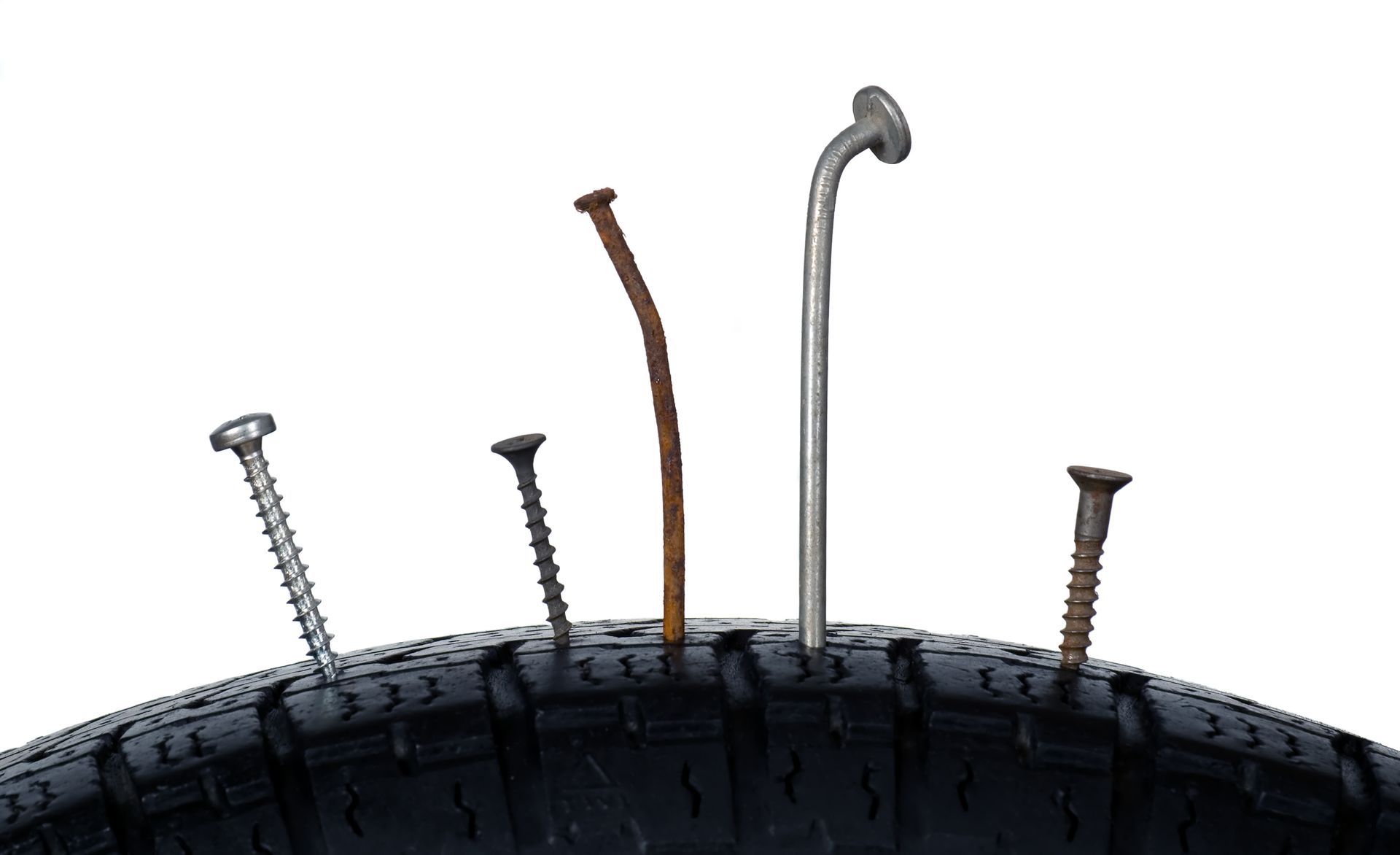
A hard pothole or curb hit can bend, loosen, or stress suspension parts. Even if the vehicle still drives, the impact can shift alignment, damage a tire, bend a wheel, or make a weak part start making noise.
After a hard hit, watch for:
- New clunking or rattling
- Steering wheel off-center
- Vehicle pulling left or right
- New vibration
- Tire pressure loss
- Sidewall bubble
- Uneven tire wear
- Noise while turning
- Vehicle feels loose or unstable
These clues can involve tires, wheels, alignment, steering, or suspension. The sooner the vehicle is checked, the easier it is to prevent extra tire and handling problems.
Suspension Noise Can Affect Tire Wear
Suspension problems and tire wear often show up together. Worn shocks or struts can allow the tire to bounce instead of staying firmly on the road. Bad bushings can let alignment angles change while driving. Loose steering parts can make the tires scrub instead of rolling cleanly.
That can create cupping, feathering, inner-edge wear, or one tire wearing faster than the others. Once tire wear develops, replacing the worn suspension part will not restore the missing tread. The tire may still need to be replaced if the damage is too far along.
Regular maintenance helps catch these early wear patterns before a noise turns into a full set of tires.
When Suspension Noise Should Not Wait
Some suspension noises are more urgent than others. A faint squeak may be less serious than a loud clunk paired with loose steering. But any noise that changes how the vehicle handles should be checked quickly.
Do not keep driving for long if the vehicle pulls sharply, wanders, clunks heavily, feels unstable, or has a wheel sitting at an odd angle. Suspension and steering parts hold the tires where they belong. If those parts fail, the vehicle may not respond correctly during braking, turning, or emergency maneuvers.
A repair plan should be based on testing, not sound alone. The goal is to find the worn part, check related components, and correct the cause before it affects safety or tire life.
Get Suspension Noise Repair In Merritt Island, FL, With Jimmie Vickers Tire & Auto Repair
If your vehicle clunks, rattles, squeaks, pops, pulls, or feels loose over bumps and turns,
Jimmie Vickers Tire & Auto Repair in Merritt Island, FL, can inspect the steering, suspension, tires, and alignment to find the cause.
For suspension noise repair before small sounds become larger handling problems,
contact us to schedule an appointment.